
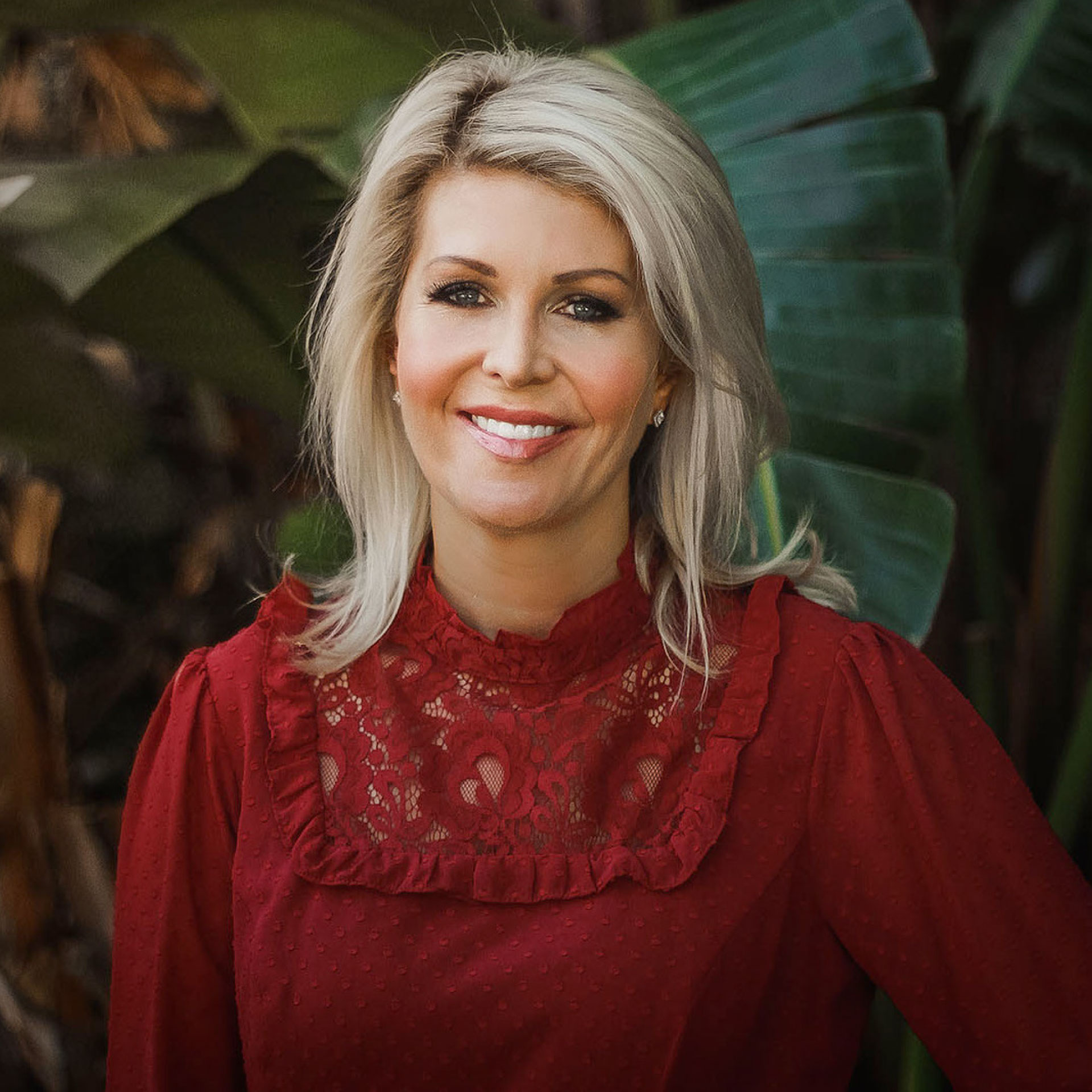
By Chezzi Denyer
There is an old saying that life and death are in the power of the tongue.
Whether you approach that idea through spirituality, psychology, neuroscience or simple life experience, one thing becomes remarkably clear: words matter.
The words we speak to others matter.
The words we speak about ourselves matter.
And perhaps most importantly, the words we repeatedly say inside our own minds matter.
Language is never just language. Every sentence carries meaning, expectation and intention. Our brains respond to it. Our emotions respond to it. Our bodies respond to it.
Think about the difference between waking up and saying to yourself:
“Today is going to be terrible.”
Compared with:
“Whatever today brings, I’ll find a way through it.”
The circumstances may not have changed at all, but your internal landscape has.
Modern neuroscience has shown that the brain is constantly making predictions about the world around us. The words we repeatedly use become part of those predictions. They influence what we notice, how we interpret situations and even how our nervous system responds to stress. This doesn’t mean words are magic. It means our minds are always listening to the stories we tell ourselves.
That alone makes our language incredibly powerful.
But I’d like to take this conversation one step further.
When We Enter Spiritual Space
One of the questions I am asked most often is:
“What if I become frightened?”
Usually the fear isn’t of spirit itself.
It’s of the unknown.
It’s the uncertainty of experiencing something we cannot immediately explain.
Many people begin noticing subtle experiences—a feeling of being watched, a fleeting shadow from the corner of their eye, a sensation that someone is standing behind them, vivid dreams, unusual synchronicities or an overwhelming awareness that they are not alone.
Whether these experiences are spiritual, psychological, intuitive, symbolic or some combination of all four, the emotional response is often the same.
Fear.
What I wish someone had taught me years ago is this:
You are allowed to communicate.
If an experience feels overwhelming, you don’t have to sit there feeling helpless.
You can speak.
You can set boundaries.
You can give instructions.
Just as you would ask another human being to respect your personal space, you can express your wishes clearly and calmly.
If something feels too intense, simply say:
“Please don’t communicate with me like this.”
“I’m feeling frightened. Please find another way that feels peaceful.”
“Please come back another time.”
“I’m trying to sleep. I’ll connect when I’m ready.”
Whether someone believes these words are directing spiritual energy or simply helping regulate the nervous system, the outcome is often remarkably similar.
The fear decreases.
The sense of control returns.
Calm replaces panic.
Intention Is Everything
Over the years I have come to realise that intention is one of the most important practices anyone can develop—not just in mediumship, but in life.
Before I meditate…
Before I sit quietly to connect…
Before I do any spiritual work…
I deliberately state my intention.
Not because I am afraid.
Because clarity matters.
For me it sounds something like this:
I intend to connect only with the highest possible energy. I intend to receive evidential messages only, for healing, love and the highest good of everyone involved.
Notice that I don’t ask for entertainment.
I don’t ask for predictions.
I don’t ask for anything that feeds fear.
My intention immediately establishes the kind of experience I am inviting.
In many ways, it’s no different from locking the front door of your home at night.
You aren’t expecting something bad to happen.
You’re simply establishing healthy boundaries.
Closing the Door
Something else I rarely hear discussed is the importance of finishing well.
Imagine making a phone call and never hanging up.
Imagine leaving your front door permanently open.
We naturally understand the importance of beginning and ending interactions in every other area of life, yet many people enter meditation or spiritual practices without ever consciously closing them.
When I finish, I simply say something like:
I now intend to disconnect from my connection with the spirit world. I take with me only the love, the healing and the peace from this experience. Thank you.
That’s it.
Simple.
Grounded.
Clear.
Do I believe those exact words are the only words that work?
Not at all.
The specific wording isn’t the important part.
The intention behind them is.
Your Voice Is More Powerful Than Your Fear
Perhaps the greatest lesson I’ve learned is this:
Fear often grows when we believe we have no control.
But the moment we remember we have a voice, something shifts.
We remember that boundaries are healthy.
We remember that respect works both ways.
We remember that we are participants in our own experiences… not passive observers.
Whether you see this through the lens of spirituality, psychology or neuroscience, there is wisdom in beginning every meaningful practice with clear intention.
Our words shape our focus.
Our focus shapes our experience.
Our experience shapes our lives.
So choose your words carefully.
Speak kindly to yourself.
Set clear boundaries.
Lead with love instead of fear.
And never underestimate the quiet power contained in the simple words:
“I intend…”
Those two words may become some of the most powerful words you ever speak.
xxx